“Quiet as it kept, there were no marigolds in the fall of 1941.”
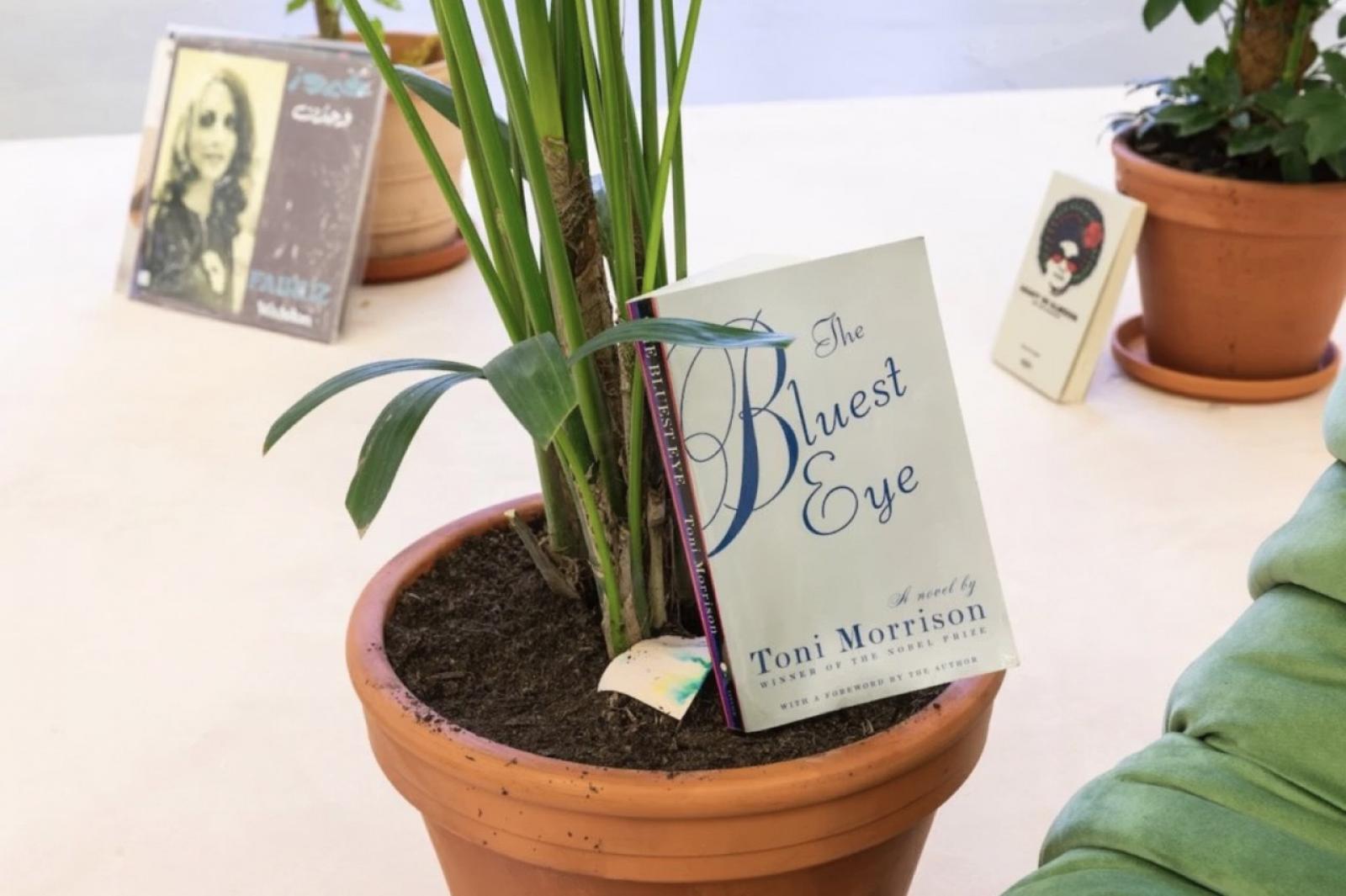
In the context of the exhibition In Frequencies We Cannot Name: Language, Sound, Silence, De Brakke Grond hosts a reading club with visual artist, documentary filmmaker, and writer Saddie Choua. Starting from her installation Lamb Chops Should Not Be Overcooked, part of the exhibition In Frequencies We Cannot Name, we will read The Bluest Eye together by Toni Morrison.
The reading club is part of the public program focusing on the themes of Language (March 8), Sound (April 12), and Silence (May 3). Across three sessions, the same book is approached from a different perspective each time. Musical and culinary intermezzi create a playful and sensory reading experience, opening up new perspectives on the story and its underlying themes.
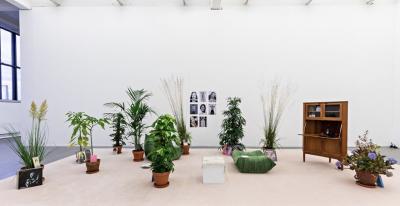
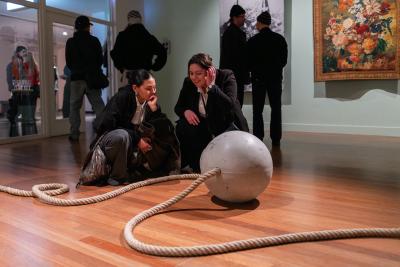
Lamb Chops Should Not Be Overcooked (2019) forms a temporary space for reflection in the foyer of de Brakke Grond during the exhibition period. The installation draws on historical herbals, which once functioned as knowledge instruments to classify, control, and exploit nature — a logic that also resonates within colonial power structures and racism. Saddie Choua reverses this perspective: plants, recipes, and rituals are mobilized as sources of care, healing, and trauma processing. In doing so, the installation creates a space for stillness, encounter, and attentiveness — a safe haven for the reading club.
In the reading club, we read The Bluest Eye together. The novel examines how beauty, race, and social norms profoundly shape the lives of young people, and the consequences this has for identity, self-image, and a sense of community. By approaching the story through the themes of sound, language, and silence, the reading club invites participants to experience Morrison’s universal questions about humanity, pain, and resilience in new ways.
Saddie Choua is a visual artist, documentary filmmaker, and writer. In her work, she explores the impact of racism, colonial histories, and social inequality, with particular attention to care, resilience, and collective healing. Her practice moves between image, text, performance, and participatory trajectories, placing encounter and shared reflection at its core.
Program:
The reading club takes place on:
March 8 | Language | 11:00 – 14:30
April 12 | Sound | 11:00 – 14:30
May 3 | Silence | 11:00 – 14:30
You can attend once or join multiple sessions. It is not necessary to read the book in advance. You can register via the button above.
Time: 11:00 – 14:30 (including lunch)
* Ramadan will be taken into account. The lunch package can be taken home.
Language: English